
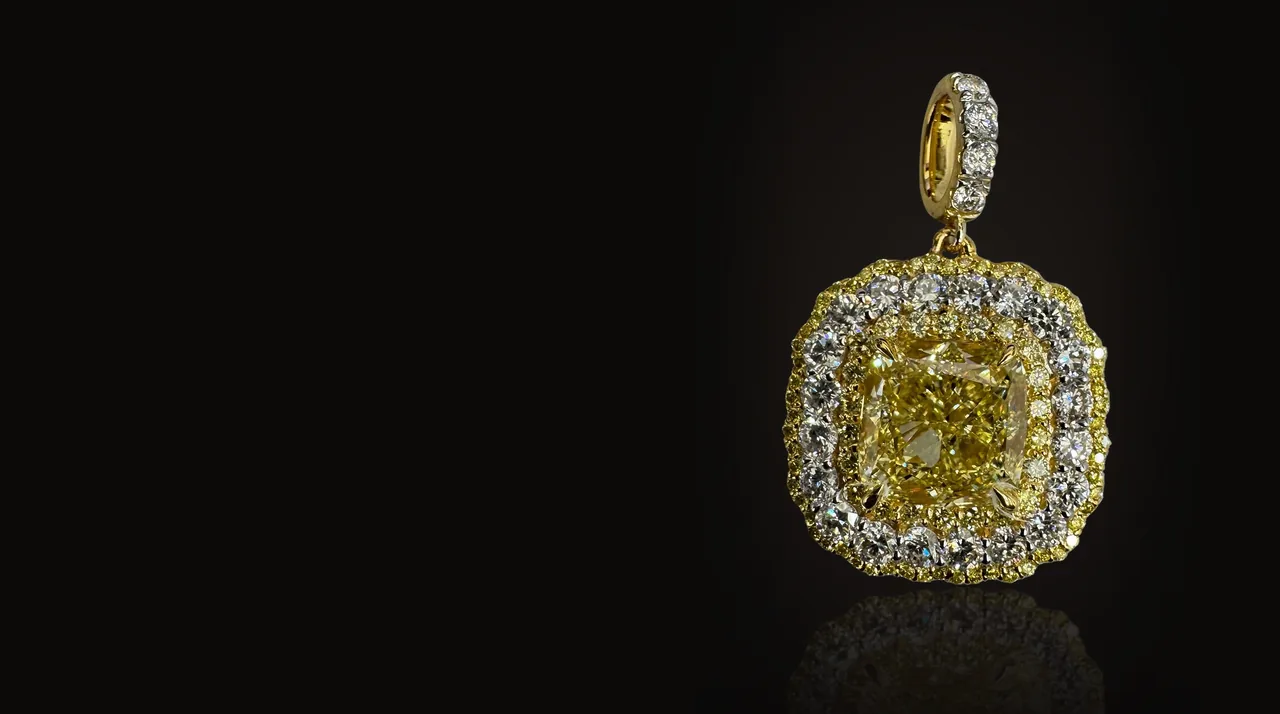
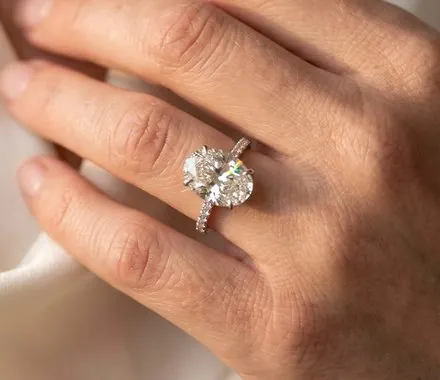
 Lab or natural?
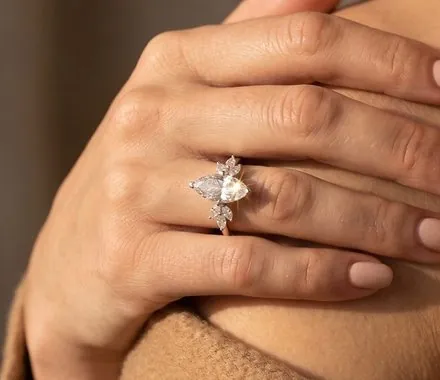 Find a ring size
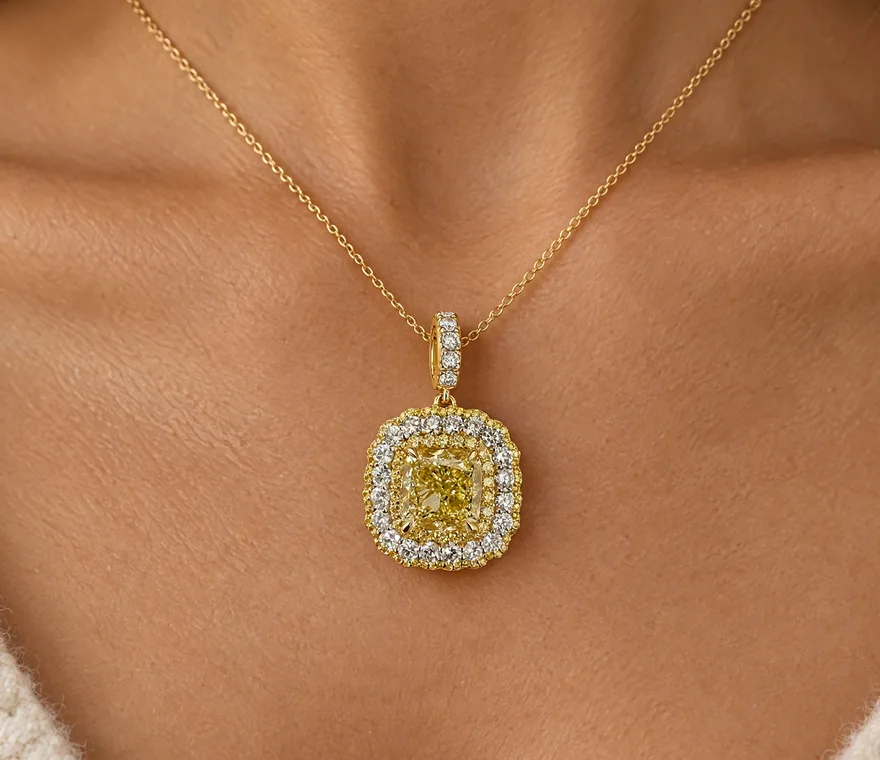 Buying on 47th Street
Set your own diamond or gemstone on 47th Street
Your stone, our setting
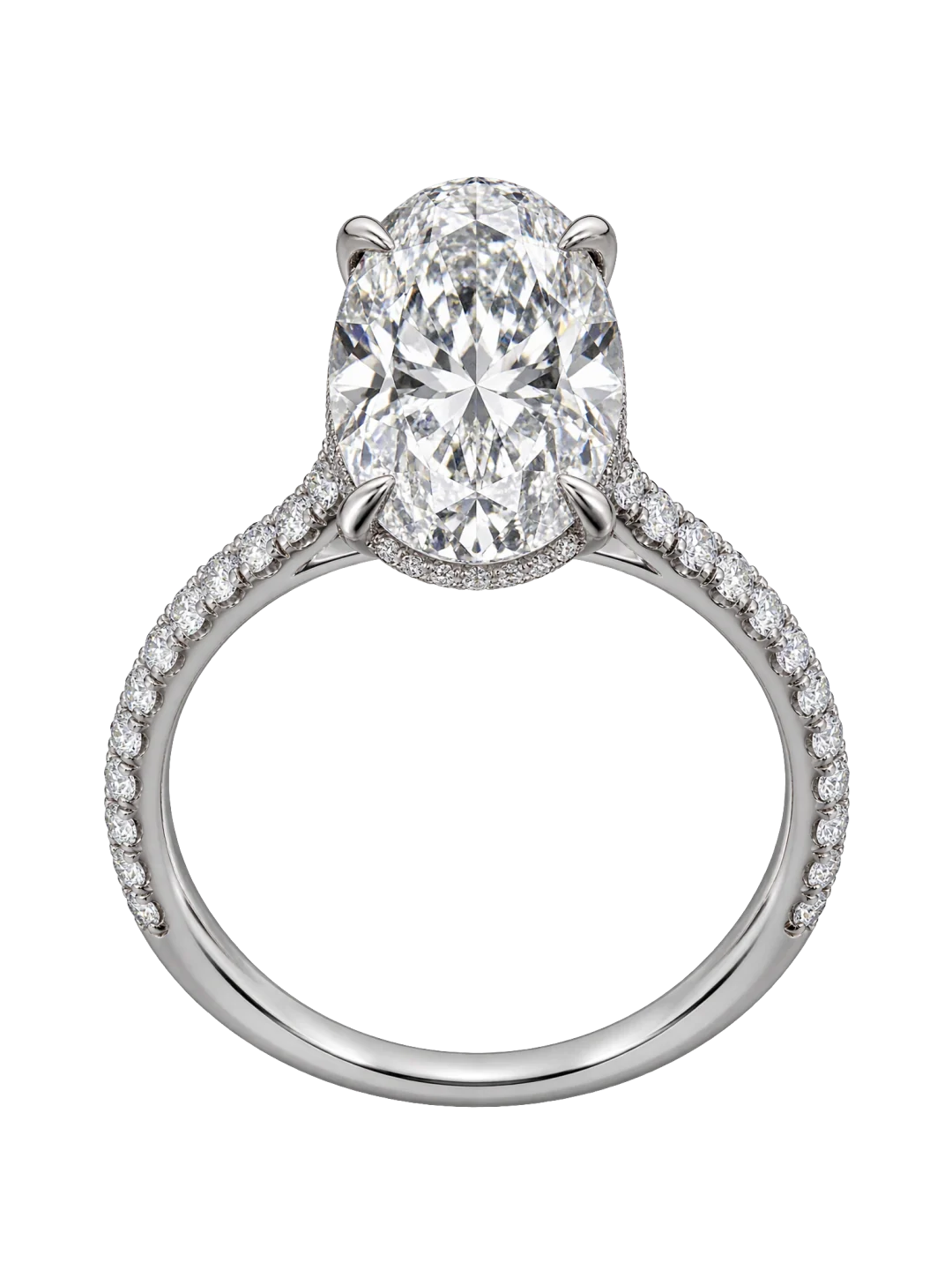
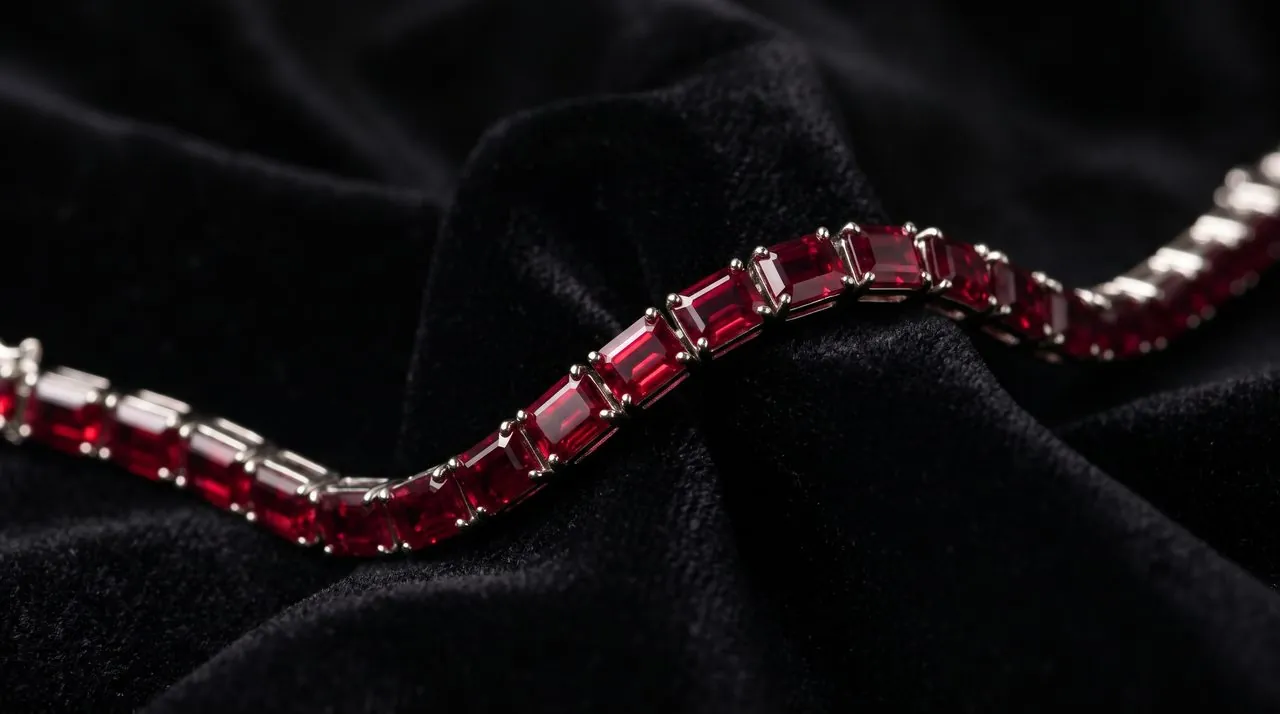
You already have the diamond or the gemstone. Ben makes the ring, the pendant or the earrings around it, and sets it by hand. Message Ben for a quote.
How your stone is handled
Your stone stays your stone. Here is what happens to it from the moment you hand it over.
Checked with you
We carefully inspect your stone with you, checking its condition, quality, and any existing imperfections before beginning any work.
Written down
Its shape, size and any report number go on your order, so you both know exactly what was handed over.
Kept safe
Your stone is carefully identified, documented, and securely stored throughout the process, ensuring it is handled with the utmost care.
Checked again
When you pick up, you look at the stone together before you leave.
Before you hand any jeweler your stone
Do this with any shop, here or anywhere else. It takes ten minutes and it means you can always prove which stone is yours.
- Photograph itFace up and from the side, on a plain background, next to its report if it has one. Phone photos are fine.
- Check the report numberLook the number up on the lab's own site (links below). The shape, measurements and carat weight on screen should match your paper.
- Ask to see the inscriptionIf the report says the girdle is laser-inscribed, ask the jeweler to show you the number under a loupe or microscope.
- Get a written receiptIt should list the shape, the measurements in millimeters, the carat weight, the report number and any chip or mark either of you can see.
- Ask how it is coveredAsk whether the shop's insurance covers customer stones while they are on the premises, and keep the answer in writing.
- Add it to your own policyMany home and renter policies cover only a small amount of jewelry theft. A separate jewelry or personal-articles policy usually covers the stone in full once it is listed.
- Mention any treatmentIf you know a stone has been oiled, filled or heated, say so. It changes how the setter works.
Stones that need extra care
Most diamonds and sapphires set without trouble. Some stones are softer, split along a grain, or react to the heat of a jeweler's torch. A careful setter looks for weak spots first and tells you before starting.
| Stone | What can go wrong | What usually helps |
|---|---|---|
| Emerald | Almost always has inclusions, and is often treated with oil. Prong pressure can open a crack, and heat or an ultrasonic cleaner can dry or damage it. | A bezel or protected corners, gentle pressure, and the stone taken out before any torch work. |
| Opal | Soft and holds water. Heat or a sudden change in temperature can craze or crack it. Doublets and triplets are thin layers glued together. | A bezel, no heat near the stone, and no soaking. |
| Tanzanite | Softer than sapphire and splits along a grain. A knock or heat can crack it. | A setting that shields the edges, and no torch work while it is in place. |
| Topaz, kunzite | Both split cleanly along one direction, so a sharp tap at the wrong angle can break them. | Careful prong pressure and a setting that keeps the stone off hard surfaces. |
| Pearls | Very soft. Heat, perfume, chemicals and ultrasonic cleaners damage the surface. | Glued on a post or cup rather than set with prongs, with all metal work done first. |
| Filled stones | Fracture-filled diamonds and glass-filled rubies hold a filler that can cloud or melt under heat and some cleaning liquids. | Telling the setter it is filled, so no heat goes near it. |
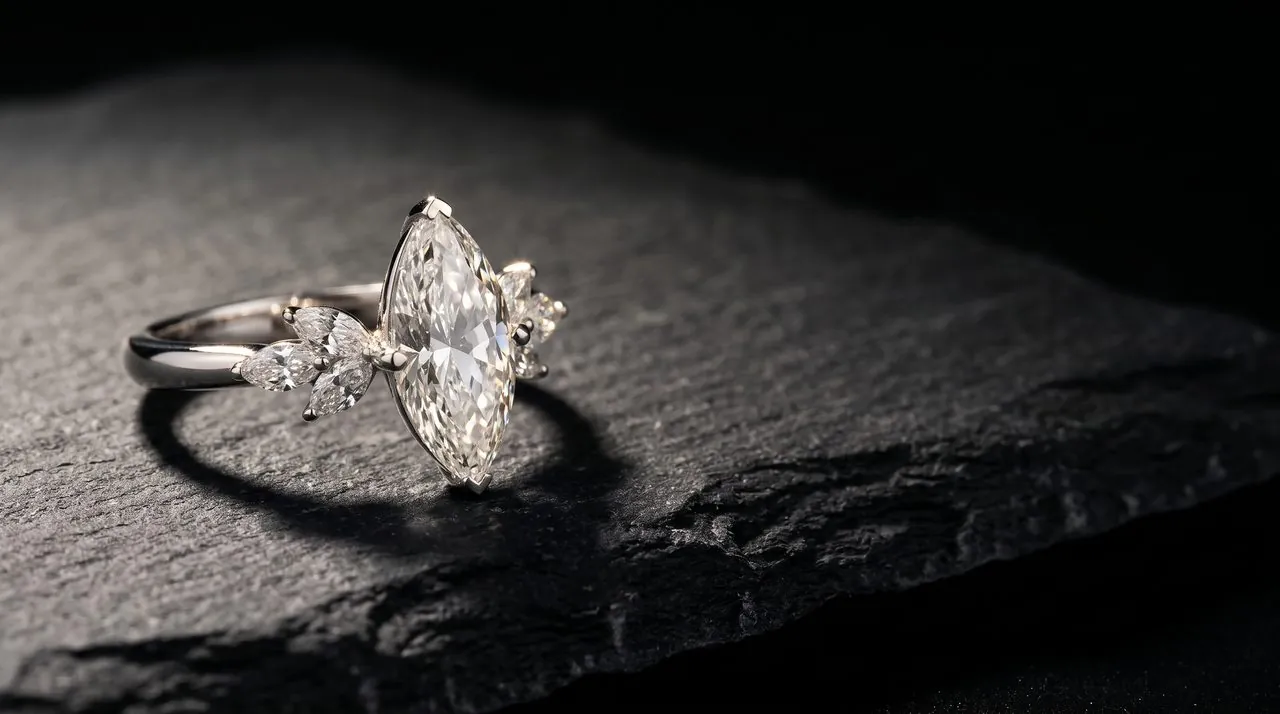
| Diamond | The hardest stone, but it can still chip at a thin edge, at the points of a pear, marquise or princess cut, or where a feather reaches the surface. | V-prongs or a bezel over the points, and six prongs rather than four on a large round. |
Some setters ask you to sign for the risk on a fragile stone before they start. Ask how your setter handles this before you leave the stone.
If your stone has a report
A grading report from a lab like GIA or IGI has a number. Many reports also have that number laser-inscribed on the stone's edge, so the stone can be matched to its paper.
You can look up a report yourself before you come in:
Paperwork: A certificate and an appraisal come with your piece
Not sure what your report means for a lab-grown stone? Read lab-grown and natural diamonds compared.
What it costs
Every setting is made for one stone, so it is priced on its own. Three things move the number.
- Your stoneIts size and shape. Points, thin edges and softer stones take more care to set.
- The metalGold or platinum, and how much of it the setting needs.
- The detailA plain solitaire head takes less bench time than a halo or a pavé band.
Want to see a finished piece first? Look at engagement rings Ben has made, or read the full process from drawing to pickup.
Setting questions
Is my stone insured while you have it?
How do you check my stone?
Can a stone break while it is being set?
Can you reset a stone from an old ring?
Can I watch, or see photos while you work?
What does the order form say?
Guides for this
Bring your stone
Send a photo of the stone and its report if it has one. Ben will suggest settings that suit it.